BGC calls on technology platforms to act against the growing illegal gambling market
El resumen
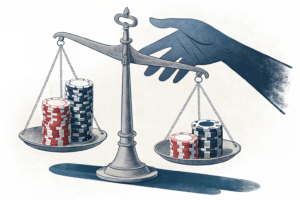
The Betting and Gaming Council, the UK's primary industry trade body, has escalated its call for major technology platforms to take decisive action against illegal gambling operators, citing alarming market share data. According to the BGC's assessment, unlicensed operators now account for nearly half of all gambling advertising expenditure in Britain, a concentration that reflects both the scale of the black market and the inadequacy of current platform enforcement mechanisms. This advertising dominance translates directly into consumer reach and brand awareness for operators operating outside regulatory oversight.
The BGC's projections paint a concerning trajectory: black market gambling stakes are forecast to nearly double to £33 billion by 2028 if current trends persist. This forecast underscores the urgency of the issue and suggests that illegal operators are not merely fringe players but are capturing an expanding share of total gambling activity. The growth of the black market represents a direct threat to regulated operators, tax revenue, and consumer protection frameworks, as players wagering with unlicensed entities receive no recourse through official dispute resolution or harm-reduction mechanisms.
The appeal to technology platforms is strategically significant. Social media networks, search engines, and affiliate sites have become primary channels through which illegal operators reach consumers. By hosting advertisements, affiliate links, and promotional content, these platforms effectively enable the distribution of unlicensed gambling services. The BGC's position is that platforms bear responsibility for curating their advertising ecosystems and should implement stricter verification protocols to exclude operators lacking valid UK gambling licenses.
This tension highlights a regulatory gap. While the UK Gambling Commission maintains strict licensing requirements for operators, the enforcement of advertising restrictions relies partly on platform cooperation, which has historically been inconsistent. The BGC's intervention suggests that industry self-regulation and voluntary platform compliance have proven insufficient. Regulators may need to impose direct obligations on technology platforms or establish clearer liability frameworks to incentivize enforcement. For legitimate operators, the proliferation of illegal competitors represents both a competitive and reputational challenge, as unregulated sites often offer higher odds and fewer consumer protections, creating a race-to-the-bottom dynamic.
Nota original
Focus Gaming News
Resumen editorial. El reporte completo, imágenes y derechos pertenecen a la fuente.
Recibe las noticias por email
Un resumen de las principales noticias de iGaming del día, en tu correo.