Sideline Moves: Kang seals Lyon deal as Rolapp takes the commissioner’s title
The brief
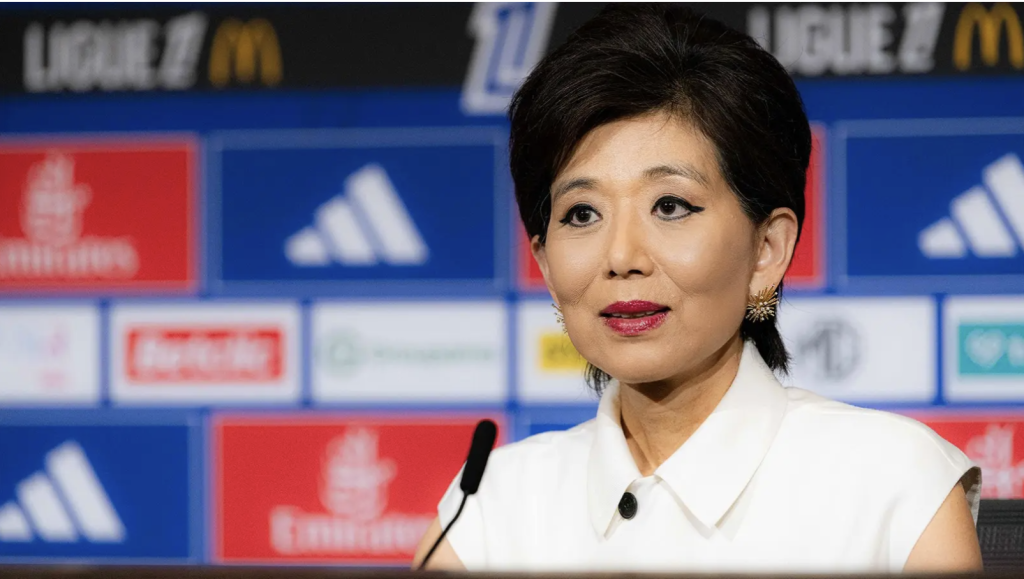
The sports industry continues to experience significant executive movement, with Michele Kang advancing to a position with Lyon and Rolapp assuming a commissioner's title. These leadership transitions reflect broader patterns of executive mobility within the sports sector, where strategic repositioning and organizational restructuring drive talent movement across organizations and geographies.
Executive appointments at this level typically signal organizational priorities and strategic direction. When established leaders transition to new roles, they often bring institutional knowledge, professional networks, and strategic vision that shape organizational culture and competitive positioning. The specific nature of these moves—particularly Kang's advancement and Rolapp's assumption of a commissioner role—suggests both vertical progression and lateral expansion within the sports business ecosystem.
Commissioner positions represent significant leadership responsibility, typically involving governance, regulatory oversight, and strategic direction-setting for leagues, associations, or governing bodies. Rolapp's appointment to such a role indicates recognition of leadership capability and likely reflects organizational confidence in their ability to navigate complex stakeholder relationships and strategic challenges. Similarly, Kang's move to Lyon suggests expansion of responsibilities or geographic scope, reflecting career progression within the sports industry.
These executive movements have implications for organizational continuity and strategic execution. Leadership transitions can create opportunities for fresh perspectives and strategic realignment, though they also introduce periods of adjustment as new leaders establish priorities and implement changes. For the sports industry broadly, such moves demonstrate the continued vitality of executive talent markets and the ongoing evolution of organizational structures. The frequency and visibility of these transitions underscore the competitive nature of sports business leadership and the premium placed on experienced executives capable of navigating complex, multi-stakeholder environments.
Original report
Insider Sport
Summary is editorial. Full reporting, images and rights belong to the source.
Get the news by email
A digest of the day's top iGaming stories, straight to your inbox.