“Lucky Devils” chronicles the exploits of three advantage gamblers who tried to beat casinos
The brief
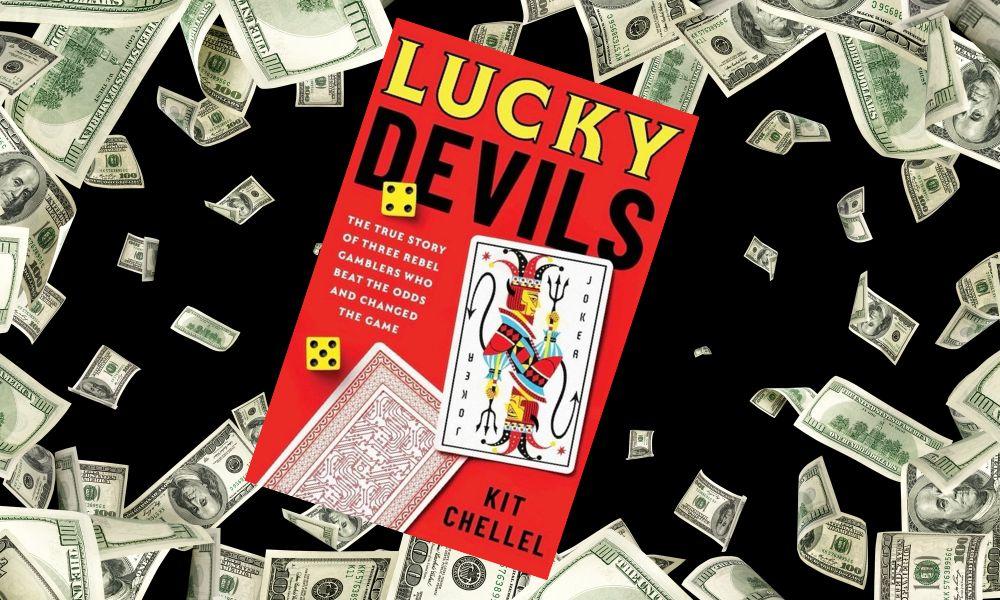
Kit Chellel's book "Lucky Devils: The True Story of Three Gamblers Who Beat the Odds and Changed the Game," published by Atria Books, offers an in-depth narrative exploration of three individuals who pursued advantage gambling strategies against casinos. The work draws on extensive reporting and firsthand accounts, with Chellel undertaking significant travel and research to document these gamblers' methods, motivations, and outcomes.
Advantage gambling—the practice of using skill, mathematics, or information asymmetries to gain an edge over house odds—remains a compelling subject within gaming culture and regulatory discourse. These narratives often illuminate the cat-and-mouse dynamic between players attempting to exploit vulnerabilities in casino operations and the countermeasures operators deploy to protect their margins. Chellel's reporting appears to capture both the technical sophistication and personal dimensions of this underground world.
The book's focus on how these gamblers "changed the game" suggests the work examines not merely individual exploits but broader implications for casino security, game design, and the evolution of anti-cheating protocols. Such accounts frequently reveal gaps in surveillance systems, dealer procedures, or game mechanics that casinos subsequently address—making them valuable case studies for industry professionals responsible for protecting gaming integrity.
From a regulatory and operational perspective, advantage gambling narratives serve multiple functions. They highlight genuine vulnerabilities that operators must remediate, inform player education around responsible gaming boundaries, and provide cautionary tales about the legal and financial risks of crossing from legitimate skill application into fraud or cheating. Chellel's journalistic approach suggests the book aims for nuance rather than glorification, examining the motivations and consequences alongside the technical details.
The publication reflects sustained public interest in gaming culture, player psychology, and the tension between individual agency and institutional power. For industry stakeholders, such works function as both entertainment and practical reference points for understanding emerging threats to gaming integrity.
Original report
CDC Gaming
Summary is editorial. Full reporting, images and rights belong to the source.
Get the news by email
A digest of the day's top iGaming stories, straight to your inbox.