Denmark’s Gambling Reforms: Early Signs Of Offshore Migration?
The brief
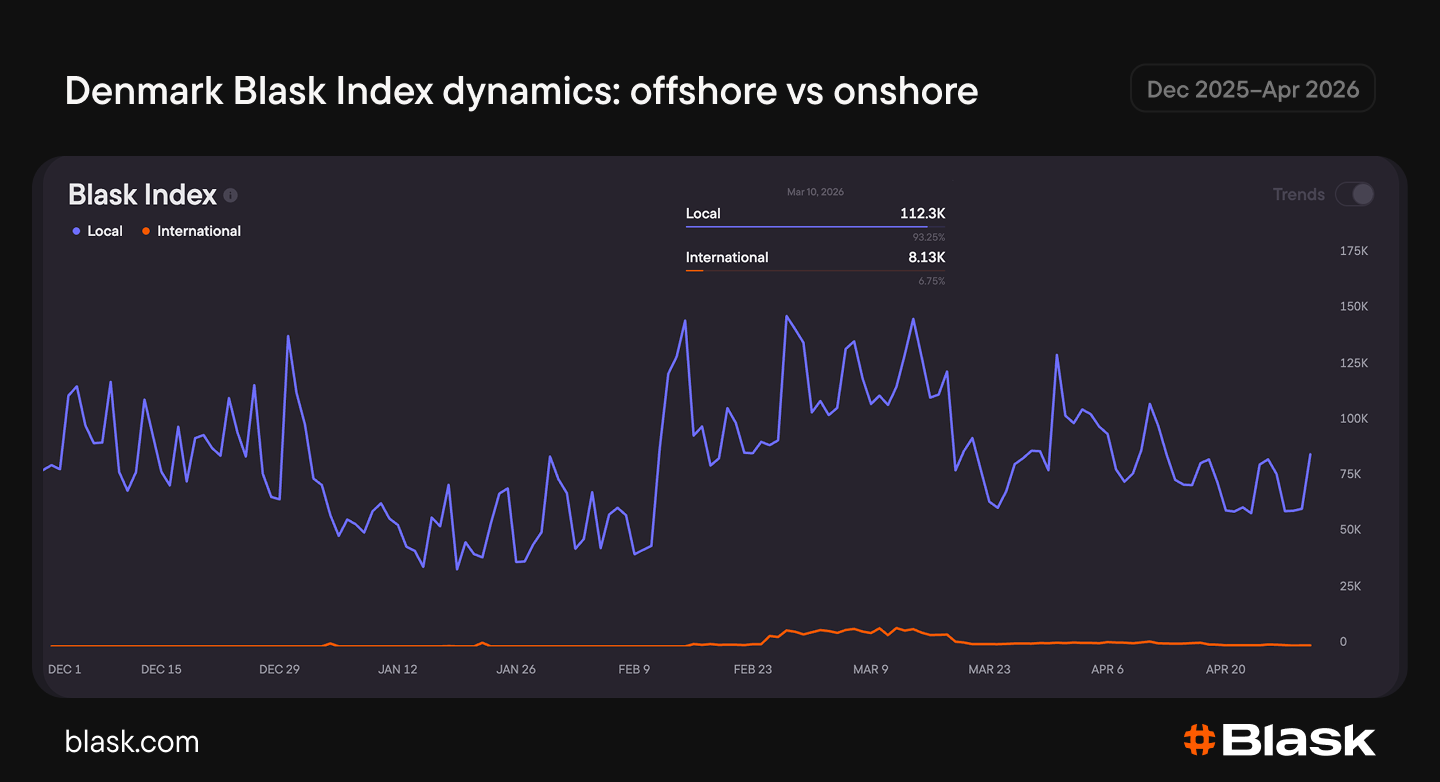
Denmark has long maintained one of Europe's most robust regulated gambling frameworks, characterized by high market channelization rates and a substantial licensed operator base. However, recent gambling reforms appear to be triggering early indicators of player migration toward offshore platforms, a concerning trend for both regulators and licensed operators in the Nordic jurisdiction.
Channelization—the proportion of gambling activity occurring within licensed, regulated channels—has historically been Denmark's regulatory strength, reflecting both effective enforcement and player confidence in the licensed market. High channelization rates indicate that the regulatory framework successfully competes with unlicensed alternatives by offering consumer protections, fair play guarantees, and responsible gambling tools. The emergence of offshore migration following recent reforms suggests that regulatory changes may have inadvertently created friction points or cost structures that make unlicensed alternatives more attractive to certain player segments.
Regulatory reforms in gambling typically aim to enhance consumer protection, increase tax revenue, or address emerging harms such as problem gambling. However, poorly calibrated reforms—such as aggressive tax increases, stricter betting limits, or enhanced affordability checks—can paradoxically push price-sensitive or privacy-conscious players toward unregulated operators. Offshore platforms, while lacking regulatory oversight and consumer protections, often offer lower costs, fewer restrictions, and greater anonymity, creating a competitive disadvantage for licensed operators.
The implications for Denmark are multifaceted. Offshore migration erodes tax revenue, undermines responsible gambling initiatives, and exposes players to fraud and unfair practices. For licensed operators, it represents lost market share and reduced profitability. Regulators must balance consumer protection objectives with market competitiveness, ensuring that regulatory burdens do not inadvertently incentivize players to seek unlicensed alternatives. The Danish case illustrates a broader regulatory challenge: maintaining channelization in an increasingly competitive global gambling market requires continuous calibration of rules, costs, and player experience to remain competitive with offshore alternatives.
Original report
iGaming Future
Summary is editorial. Full reporting, images and rights belong to the source.
Get the news by email
A digest of the day's top iGaming stories, straight to your inbox.