Pennsylvania top court’s ruling shifts skill-game debate to legislature
The brief
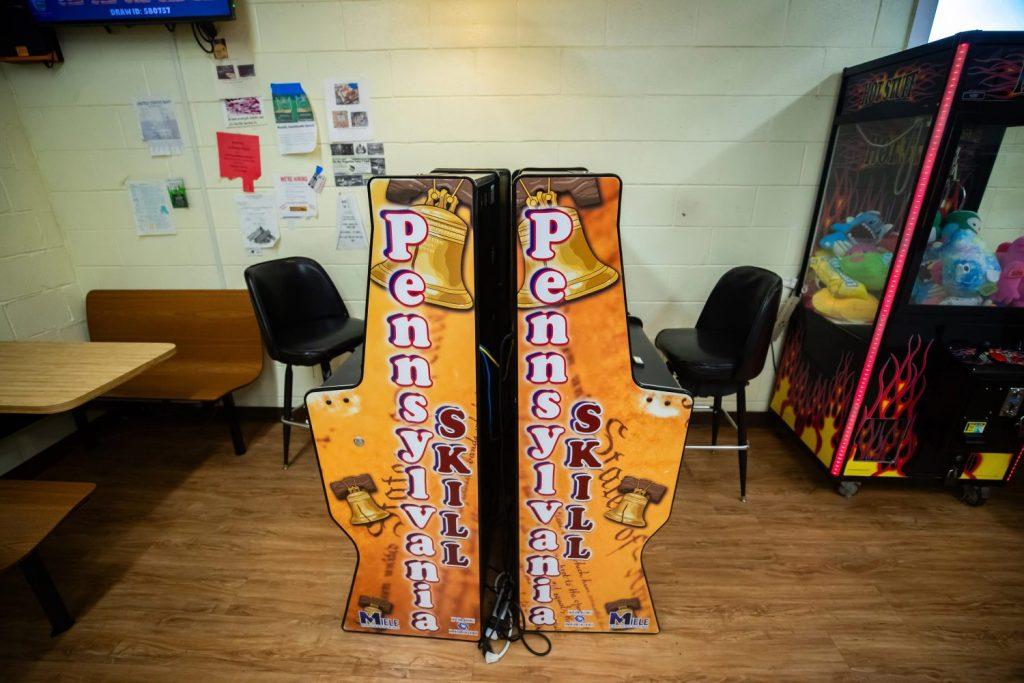
Pennsylvania's long-running legal battle over unregulated "skill games" has reached a critical juncture, with the state Supreme Court determining that these devices constitute slot machines under existing law. The 4-2 decision effectively overturns prior lower-court rulings that had permitted skill games to operate in a regulatory gray zone. By classifying skill games as slot machines, the court has shifted the debate from the judiciary to the legislature, where the outcome will depend on lawmakers' appetite for either stricter enforcement or regulatory accommodation.
Skill games have proliferated across Pennsylvania, particularly in bars, convenience stores, and other retail venues, generating significant revenue for operators and venue owners while remaining largely unregulated and untaxed. Proponents argue that these games require genuine player skill rather than pure chance, distinguishing them from traditional slot machines and therefore placing them outside gaming regulations. The Supreme Court majority rejected this distinction, finding that skill games meet the statutory definition of slot machines regardless of their skill component, thereby subjecting them to the same licensing and regulatory requirements as traditional gaming devices.
The court's characterization as "deeply flawed" of prior legal reasoning supporting skill games suggests strong judicial conviction that the devices fall within existing regulatory authority. This language may also signal the court's view that the legislature, not the judiciary, should determine whether to modify gaming law to accommodate skill games. By framing the issue as a legislative question, the court has effectively invited lawmakers to either enforce existing prohibitions or explicitly legalize and regulate skill games through new legislation.
For Pennsylvania's gaming industry and state revenue, the ruling creates significant uncertainty. The state's licensed casinos have opposed skill games as unlicensed competition, while skill-game operators and venue owners have invested substantially in the devices. The legislature now faces pressure from multiple constituencies: casinos seeking enforcement, skill-game operators seeking legalization, and local governments that have benefited from venue owner participation in their communities.
The practical implications depend on legislative action. If lawmakers do nothing, enforcement of the Supreme Court's ruling could eliminate thousands of skill games and eliminate revenue for venue owners and operators. Alternatively, the legislature could legalize and regulate skill games, creating a new licensing category and tax stream. Pennsylvania's decision will likely influence how other states approach similar devices, particularly in jurisdictions where skill games operate in regulatory limbo. The outcome will reflect broader policy questions about gaming expansion, consumer protection, and the balance between regulated and unregulated gaming markets.
Original report
CDC Gaming
Summary is editorial. Full reporting, images and rights belong to the source.
Get the news by email
A digest of the day's top iGaming stories, straight to your inbox.